


Beautiful hair is often seen as a matter of luck or genetics, but the truth is that healthy, shiny hair is largely the result of good habits. Just like skin, hair responds to how you cleanse, nourish, and protect it. Daily heat styling, harsh products, sun exposure, and even the way you towel-dry can gradually weaken strands, leading to frizz, dullness, and breakage.
This guide shares the essentials of a hair care routine that keeps your hair strong, soft, and naturally glossy — whatever your hair type.
Hair Care Essentials — Building a Routine for Healthy, Shiny Hair
1. Understand Your Hair and Scalp
Every effective routine starts with knowing what you are working with. Consider three factors:
- Texture: Straight, wavy, curly, or coily. Curlier hair tends to be drier because natural oils travel down the strand less easily.
- Thickness: Fine hair is easily weighed down, while thick hair can handle richer products.
- Porosity: High-porosity hair absorbs moisture quickly but loses it fast; low-porosity hair resists moisture and benefits from lightweight products and gentle heat during conditioning.
Your scalp type matters too. An oily scalp may need more frequent washing, while a dry or sensitive scalp requires gentler, less frequent cleansing.

2. Healthy Hair Starts at the Scalp
The scalp is skin, and healthy hair grows from a healthy scalp. Massaging your scalp for a few minutes while shampooing stimulates circulation and helps remove buildup. Once a week or two, consider a clarifying shampoo or gentle scalp exfoliant to remove product residue. If you experience persistent flaking, itching, or redness, a specialized anti-dandruff shampoo or a visit to a dermatologist may be needed.
3. Wash Smart, Not Harsh
How often you wash depends on your scalp and lifestyle. Oily scalps may need daily washing, while dry or curly hair often thrives on two to three washes per week. Follow these principles:
- Choose a sulfate-free or mild shampoo if your hair is dry, color-treated, or curly.
- Focus shampoo on the scalp; the lather rinsing through is enough to clean the lengths.
- Use lukewarm water, and finish with a cooler rinse to help smooth the cuticle and add shine.
4. Never Skip Conditioner
Conditioner restores moisture, smooths the cuticle, and reduces friction that causes breakage. Apply it from mid-length to ends, leave it on for two to three minutes, and detangle gently with a wide-tooth comb while it is in. Once a week, replace your regular conditioner with a deep-conditioning mask. Look for ingredients such as shea butter, argan oil, ceramides, and proteins like keratin, especially if your hair is damaged.
5. Handle Wet Hair with Care
Hair is at its most fragile when wet. Rubbing with a rough towel lifts the cuticle and causes frizz and breakage. Instead, gently squeeze out water with a soft microfiber towel or cotton T-shirt. Detangle from the ends upward, never from the roots down, and avoid tying wet hair tightly.
6. Minimize and Protect Against Heat Damage
Blow dryers, straighteners, and curling irons are convenient, but excessive heat weakens the hair’s protein structure. To reduce damage:
- Always apply a heat protectant before styling.
- Use the lowest effective temperature, ideally below 180°C (around 350°F) for fine hair.
- Let hair air-dry partially before blow-drying.
- Schedule heat-free days and embrace natural texture or overnight heatless styles.
7. Protect Your Hair from the Environment
Sun exposure fades color and dries out strands, while chlorine and salt water strip moisture. Wear a hat in strong sunlight, use leave-in products with UV filters, and rinse hair with clean water before and after swimming. During dry winter months, a few drops of hair oil on the ends help seal in moisture — the same principles that apply to protecting your skin in cold, dry weather.
8. Regular Trims Keep Hair Healthy
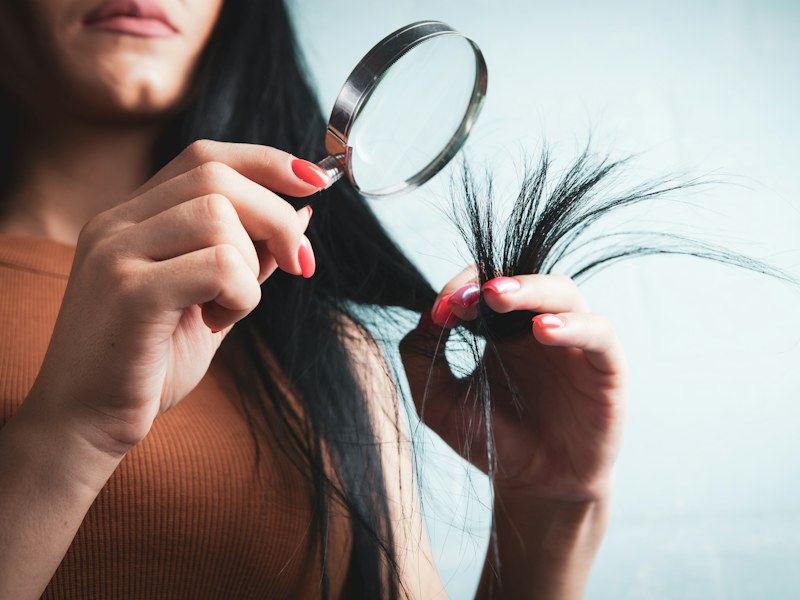
Split ends cannot be repaired permanently; once a strand splits, the damage can travel upward. Trimming every eight to twelve weeks removes damaged ends and keeps hair looking thicker and healthier, even if you are growing it out.
9. Nourish Your Hair from Within
Hair is made mostly of keratin, a protein, so your diet directly affects its strength. Include enough protein from eggs, fish, legumes, and lean meat. Iron, zinc, omega-3 fatty acids, biotin, and vitamin D also support healthy growth. Stress and poor sleep can contribute to hair shedding, so managing your overall well-being matters. Our article on building a balanced diet for long-term health offers practical guidance.
10. Gentle Styling Habits
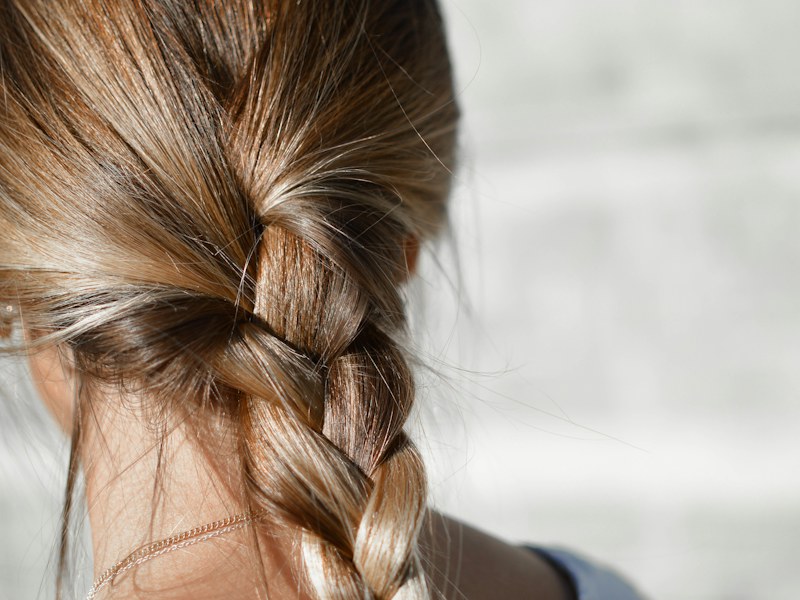
- Avoid very tight ponytails and braids that pull on the hairline.
- Use soft scrunchies or spiral ties instead of elastic bands with metal parts.
- Sleep on a silk or satin pillowcase to reduce friction and frizz.
- Brush gently with a suitable brush rather than forcing through knots.
Conclusion
Healthy, shiny hair is not reserved for a lucky few. By understanding your hair type, caring for your scalp, washing and conditioning gently, limiting heat, protecting against environmental stress, and nourishing your body, you can transform the condition of your hair over time. Consistency is the secret: small, daily acts of care add up to stronger, smoother, and more radiant hair you will love.