


Cleansing is the step that makes every other step in your routine work. If makeup, sunscreen, and excess oil remain on the skin, serums cannot absorb properly, pores become congested, and the complexion looks dull. This is why many skincare enthusiasts swear by double cleansing — a two-step method that originated in Japanese and Korean beauty routines and has since become popular around the world.
But is double cleansing right for everyone, and how do you do it without stripping your skin? This guide explains the method, the benefits, and the best way to adapt it to your skin type.
Double Cleansing — Why It Works and How to Do It Right
1. What Is Double Cleansing?
Double cleansing simply means washing your face twice, using two different types of cleanser:
- First cleanse — oil-based: A cleansing oil, balm, or micellar water dissolves oil-based impurities such as makeup, sunscreen, and sebum.
- Second cleanse — water-based: A gentle gel, cream, or low-foam cleanser removes sweat, dirt, and any leftover residue.
The principle is based on chemistry: “like dissolves like.” Oil-based products break down oil-based debris far more effectively than water alone, while water-based cleansers lift away water-soluble impurities.

2. The Benefits of Double Cleansing
- Thorough makeup and sunscreen removal: Long-wear foundations and water-resistant SPF are designed to stay put. An oil cleanser removes them without harsh rubbing.
- Clearer pores: Removing oil and debris thoroughly reduces congestion, blackheads, and breakouts.
- Better product absorption: Clean skin allows serums and treatments to penetrate more effectively.
- Gentler overall: Instead of using one strong cleanser, two mild ones clean effectively without stripping the barrier.
3. Step-by-Step: How to Double Cleanse
Step 1 – Oil cleanse on dry skin. With dry hands, massage one to two pumps of cleansing oil or a scoop of balm onto a dry face for about 60 seconds. Pay attention to the hairline, sides of the nose, and jawline, where sunscreen and makeup tend to build up.
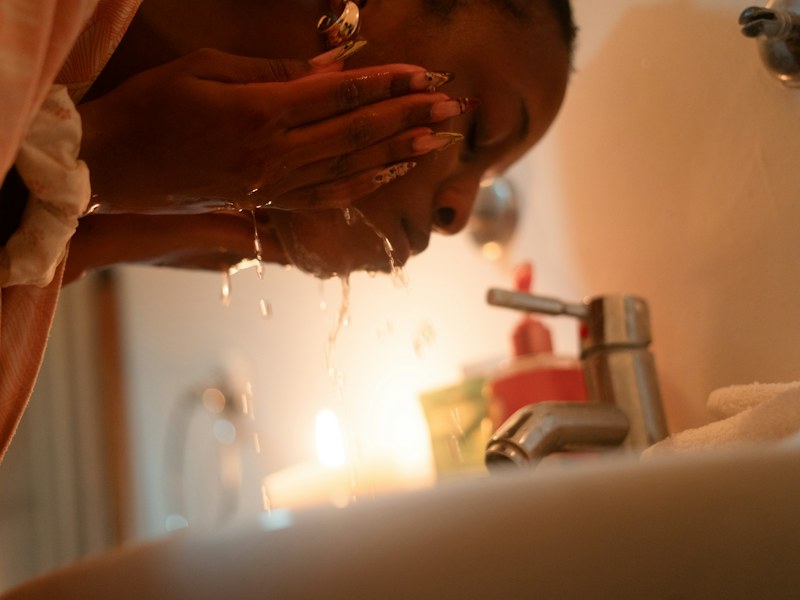
Step 2 – Emulsify. Add a little lukewarm water and continue massaging. The oil will turn milky as it emulsifies, lifting impurities away. Rinse thoroughly.
Step 3 – Water-based cleanse. Apply a small amount of gentle cleanser to damp skin, massage for 30–60 seconds, and rinse with lukewarm water.
Step 4 – Pat dry. Gently pat your face with a clean, soft towel. Avoid rubbing, which can cause irritation.
Step 5 – Continue your routine. Apply toner, serums, and moisturizer while your skin is still slightly damp.
4. Choosing the Right Products for Your Skin Type
Oily and acne-prone skin: Many people with oily skin fear cleansing oils, but a good one dissolves excess sebum without clogging pores. Choose lightweight, non-comedogenic oils that rinse cleanly, then follow with a gel cleanser.
Dry skin: A nourishing cleansing balm and a creamy, non-foaming second cleanser help maintain moisture.
Sensitive skin: Fragrance-free micellar water or a simple balm, followed by a mild cream cleanser, keeps irritation to a minimum.
Combination skin: A cleansing oil followed by a gentle gel cleanser usually strikes the right balance. Our article on effective skincare tips for combination skin offers more tailored advice.
5. When Should You Double Cleanse?
Double cleansing is primarily an evening step. At night, your skin carries the full load of the day: sunscreen, makeup, pollution, and sebum. In the morning, a single gentle cleanse — or even a water rinse for dry, sensitive skin — is usually enough. If you don’t wear makeup or sunscreen on a particular day, one cleanse in the evening may also suffice.
6. Common Double Cleansing Mistakes
- Using two harsh cleansers: Double cleansing should never leave your skin squeaky or tight. If it does, your second cleanser is too strong.
- Applying oil to wet skin: Water reduces the oil’s ability to dissolve makeup. Always start on dry skin with dry hands.
- Skipping emulsification: Without adding water before rinsing, oil residue may remain and cause congestion.
- Using hot water: Hot water strips natural lipids. Lukewarm is ideal.
- Scrubbing too hard: Gentle massage is more effective and kinder than aggressive rubbing.

7. Making the Most of Your Cleansing Ritual
Cleansing can be more than a chore. A slow, one-minute facial massage with your cleansing oil boosts circulation, helps relieve facial tension, and gives you a moment to unwind at the end of the day. Turning it into a calming ritual can even support better sleep. For a full evening plan that builds on a clean base, read our morning and night skincare routines for all skin types.
8. Is Double Cleansing for Everyone?
Not necessarily. If you wear minimal makeup and a lightweight sunscreen, and your skin feels clean after one gentle wash, a single cleanse may be all you need. Double cleansing is most beneficial for people who wear makeup or water-resistant sunscreen daily, live in polluted cities, or have oily, congested skin. Listen to your skin: it should feel clean, soft, and comfortable afterward — never tight or irritated.
Conclusion
Double cleansing is a simple yet powerful way to ensure your skin is truly clean at the end of the day. By using an oil-based cleanser to dissolve makeup and sunscreen, followed by a gentle water-based cleanser, you remove impurities thoroughly without damaging your skin barrier. Choose products that suit your skin type, keep your technique gentle, and you will create the perfect foundation for every serum and moisturizer that follows.