


The eyes are often the first place people notice signs of fatigue and aging. Puffiness after a short night, dark circles that concealer cannot fully hide, and fine lines that appear when you smile can make you look more tired than you feel. The skin around the eyes is unique: it is up to ten times thinner than the rest of the face, has fewer oil glands, and moves constantly as you blink and express emotion. That is why it needs special attention and a gentle approach.
In this guide, we look at the causes of the most common eye-area concerns and share practical, effective ways to keep this delicate area looking bright and refreshed.
The Delicate Eye Area — How to Reduce Puffiness, Dark Circles and Fine Lines
1. Why the Eye Area Needs Special Care
Because the under-eye skin is so thin, blood vessels and underlying structures show through more easily. It also has less collagen support and fewer sebaceous glands, so it dries out faster and develops lines earlier. Rubbing your eyes, sleeping on your face, and sun exposure all take a heavier toll here than elsewhere. Gentle products and gentle hands are essential.
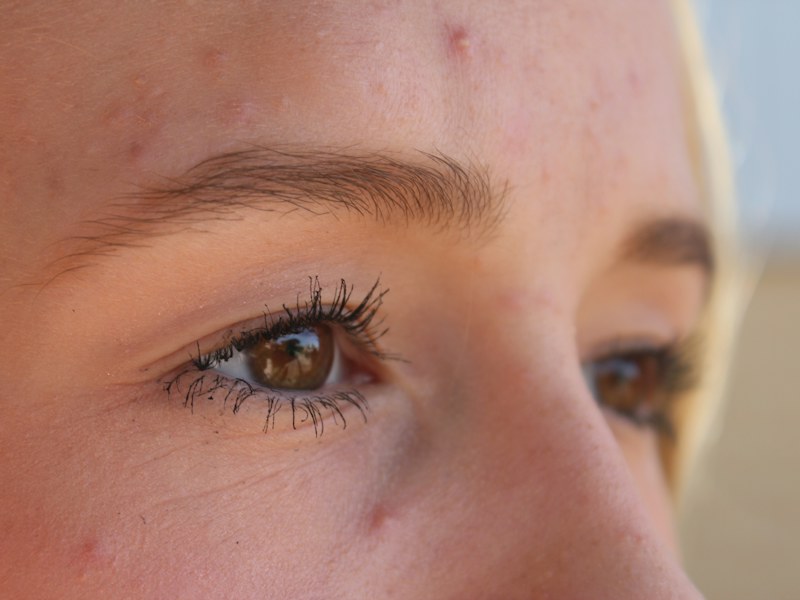
2. Understanding Puffiness
Morning puffiness is usually caused by fluid accumulating under the eyes overnight. Common triggers include salty meals, alcohol, allergies, crying, and lack of sleep. Persistent bags that do not change during the day may be related to genetics or age, as the fat pads beneath the eyes shift and the supporting tissue weakens.
How to reduce puffiness:
- Cold therapy: Apply chilled spoons, a cold compress, or refrigerated eye patches for five to ten minutes to constrict blood vessels and reduce swelling.
- Caffeine: Eye creams containing caffeine can temporarily tighten and de-puff the area.
- Gentle massage: Using your ring finger, tap lightly from the inner corner outward toward the temples to encourage lymphatic drainage.
- Sleep position: Elevating your head with an extra pillow helps prevent fluid from pooling.
- Lifestyle: Reduce salt and alcohol in the evening and stay well hydrated.
3. Understanding Dark Circles
Dark circles are not all the same, and identifying the type helps you choose the right solution:
- Pigmented (brown) circles: Caused by excess melanin, often genetic or triggered by sun exposure and rubbing. They are more common in medium and deeper skin tones.
- Vascular (blue or purple) circles: Visible blood vessels beneath thin skin, often worse with fatigue.
- Structural circles: Shadows created by hollows or volume loss under the eyes.
Helpful ingredients: Vitamin C, niacinamide, and tranexamic acid help fade pigmentation; caffeine and vitamin K may reduce the look of vascular circles; peptides and gentle retinoids strengthen thin skin over time. For pigmentation in general, read our guide on fading dark spots and hyperpigmentation safely.
4. Preventing and Softening Fine Lines
Fine lines, including crow’s feet, appear because of repeated facial movements, sun damage, dryness, and the natural decline of collagen and elastin. To soften them:
- Hydrate deeply: Humectants like hyaluronic acid and glycerin plump the skin and blur dehydration lines.
- Support collagen: Peptides and low-strength retinoids formulated for the eye area improve firmness over time.
- Protect from the sun: Apply sunscreen gently around the orbital bone and wear UV-protective sunglasses, which also prevent squinting.
- Lock in moisture: A richer eye cream at night prevents overnight dryness.

5. Do You Really Need an Eye Cream?
Eye creams are not strictly mandatory — a gentle, fragrance-free facial moisturizer can work around the eyes. However, dedicated eye products are often formulated with lower concentrations of actives, fewer potential irritants, and textures designed not to migrate into the eyes. If you want targeted results for puffiness, dark circles, or lines, a well-formulated eye cream is a worthwhile investment.
6. How to Apply Eye Products Correctly
- Use a rice-grain-sized amount for both eyes.
- Dot the product along the orbital bone, not too close to the lash line.
- Tap gently with your ring finger, which naturally applies the least pressure.
- Apply eye cream before heavier facial creams, so it is not blocked by thicker layers.
- In the morning, allow it to absorb before applying concealer.
7. Lifestyle Habits That Make a Visible Difference
No product can fully compensate for chronic sleep deprivation. Aim for seven to nine hours of quality sleep, take regular breaks from screens to reduce eye strain, and treat allergies that cause rubbing and swelling. Always remove eye makeup gently with an oil-based remover rather than scrubbing — the oil cleansing step described in our double cleansing guide is ideal. Staying hydrated and eating antioxidant-rich foods also support healthy, resilient skin.
8. When to Consider Professional Treatments
If home care does not deliver the results you want, a dermatologist can suggest options such as chemical peels for pigmentation, laser treatments, microneedling, or fillers for hollows. Sudden swelling, persistent redness, or itching around the eyes may indicate allergies or a medical issue and should be checked by a professional.
Conclusion
The eye area deserves gentle, consistent care. Understand whether you are dealing with puffiness, pigmentation, shadows, or fine lines, choose targeted ingredients, apply products with a light touch, and protect the area from the sun every day. Combined with good sleep and healthy habits, these steps will help your eyes look brighter, smoother, and more refreshed — reflecting the energy you feel inside.