


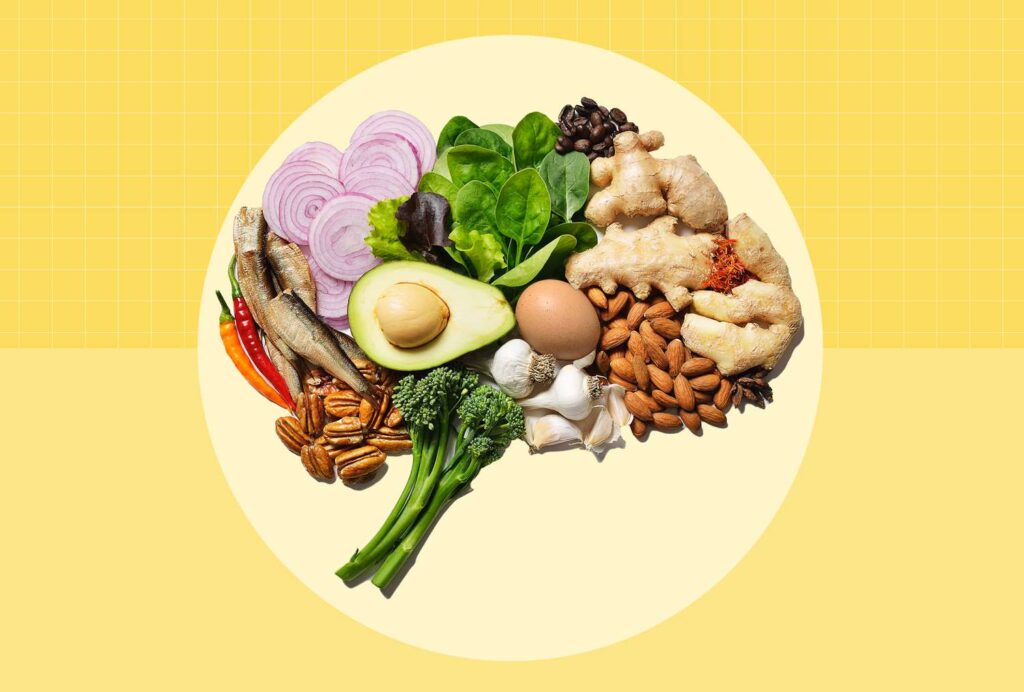
Maintaining good health begins with what we put on our plates. A balanced diet is not about strict rules, fad restrictions, or depriving yourself of foods you love. Instead, it is about eating in a way that provides your body with the essential nutrients it needs to function properly, while also supporting energy, immunity, and long-term disease prevention.
Building a Balanced Diet for Long-Term Health
Understanding the Basics of a Balanced Diet
A balanced diet includes the right proportions of macronutrients—carbohydrates, proteins, and fats—along with sufficient micronutrients, such as vitamins and minerals. Each of these plays a unique role in keeping the body strong:
-
Carbohydrates provide energy and should come from whole grains, fruits, vegetables, and legumes rather than refined sugars.
-
Proteins are vital for building and repairing tissues, producing enzymes, and supporting immunity. Lean meats, fish, eggs, beans, and nuts are excellent sources.
-
Fats, when chosen wisely, are not the enemy. Healthy fats found in olive oil, avocados, seeds, and fatty fish help regulate hormones and support brain function.
Micronutrients like iron, calcium, and vitamin C are equally important, helping the body perform daily processes effectively. The key is variety—eating different food groups ensures you receive a wide spectrum of nutrients.

The Role of Portion Control
Even healthy foods can become problematic when eaten in excess. Portion control is a cornerstone of balanced nutrition. A simple method to remember is the “plate model”: fill half of your plate with vegetables and fruits, one quarter with lean protein, and one quarter with whole grains. This approach helps balance nutrient intake while preventing overeating.
Mindful eating can also improve portion awareness. Slowing down, savoring each bite, and listening to your body’s hunger cues can reduce unnecessary snacking and emotional eating.
Hydration and Its Connection to Diet
While food is critical, hydration plays an equally important role in health. Water supports digestion, nutrient absorption, and circulation. Dehydration, even mild, can cause fatigue, headaches, and reduced concentration.
Health experts often recommend about eight glasses of water per day, but individual needs may vary depending on activity levels, climate, and body size. Choosing water over sugary sodas or energy drinks not only keeps you hydrated but also prevents unnecessary calorie intake. Herbal teas, infused water, and soups can contribute to hydration as well.
Practical Tips for a Balanced Diet
Adopting a healthier eating style does not have to be overwhelming. Small, gradual changes are often the most sustainable. Consider the following strategies:
-
Plan ahead: Preparing meals at home gives you control over ingredients and portion sizes.
-
Snack smart: Replace chips or sweets with nuts, yogurt, or fruit to avoid empty calories.
-
Limit processed foods: Packaged foods often contain high amounts of sodium, sugar, and unhealthy fats.
-
Experiment with variety: Rotate vegetables, try new grains like quinoa or bulgur, and explore plant-based proteins.
-
Practice moderation: It is fine to enjoy occasional treats—balance means flexibility, not perfection.
Long-Term Benefits of a Balanced Diet
The impact of a balanced diet extends far beyond maintaining a healthy weight. Long-term benefits include:
-
Reduced risk of chronic disease: A nutrient-rich diet lowers the risk of diabetes, heart disease, and certain cancers.
-
Stronger immunity: Vitamins and minerals strengthen the body’s defenses against infection.
-
Improved mental health: Nutrients such as omega-3 fatty acids and B vitamins support brain function and mood regulation.
-
Sustained energy: Balanced meals prevent spikes and crashes in blood sugar, promoting steady energy throughout the day.
-
Healthy aging: Adequate nutrition preserves bone strength, muscle mass, and cognitive health as we grow older.
Conclusion
A balanced diet is not about quick fixes or strict deprivation—it is a lifestyle choice that nourishes both body and mind. By embracing variety, portion control, hydration, and mindful eating, you create a foundation for long-term health. The results may not be instant, but over time, this approach will support energy, prevent disease, and enhance overall quality of life.
Eating well is one of the simplest yet most powerful investments you can make for your future health. Start with small, consistent changes, and your body will thank you in the years to come.
More Stories from Health News


Health News
Managing Stress for Better Health

Health News