


Hydration is the foundation of every healthy complexion. Whether your skin is oily, dry, or somewhere in between, it needs water to stay plump, smooth, and resilient. Among the many ingredients that promise moisture, few have earned as much respect from dermatologists as hyaluronic acid. It appears in serums, creams, sheet masks, and even makeup — yet many people still use it in ways that limit its benefits.
This guide explains what hyaluronic acid really does, how to choose the right formula, and how to apply it so your skin stays deeply hydrated from morning to night.
The Science of Hyaluronic Acid — How to Use It for Deep, Lasting Hydration
1. What Is Hyaluronic Acid?
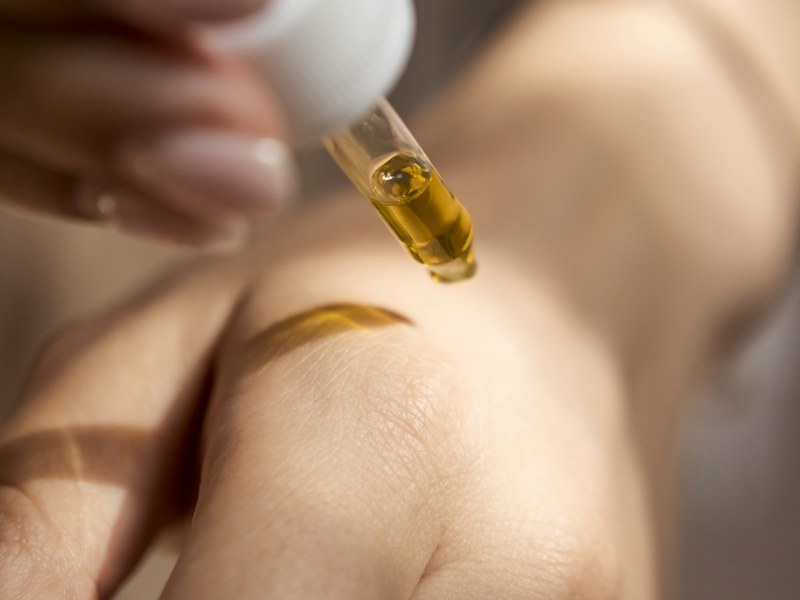
Despite the word “acid,” hyaluronic acid (HA) does not exfoliate or sting. It is a sugar molecule naturally present in the skin, joints, and eyes. In the skin, it sits between cells and acts like a sponge, binding water and keeping tissues cushioned. A single gram of hyaluronic acid can hold up to around six liters of water, which is why it is often described as a “moisture magnet.”
The problem is that our natural supply declines with age. Sun exposure, pollution, and smoking speed up this loss. As levels fall, skin becomes thinner, drier, and more prone to fine lines. Topical hyaluronic acid helps replenish surface hydration and gives the complexion a fresher, bouncier look.
2. Why Molecular Weight Matters
Not all hyaluronic acid is the same. Formulas use different molecular sizes, and each behaves differently on the skin:
- High molecular weight HA: Stays on the surface, forms a breathable film, and reduces water loss. It gives an instant smoothing effect.
- Low molecular weight HA: Penetrates the upper layers of the epidermis, delivering hydration a little deeper and supporting a plumper appearance over time.
- Sodium hyaluronate: The salt form of HA. It is smaller and more stable, so it is common in serums designed for quick absorption.
The most effective products usually combine several weights, so the skin receives both immediate surface comfort and longer-lasting hydration.
3. The Golden Rule: Apply to Damp Skin
The most common mistake is applying hyaluronic acid to completely dry skin, especially in dry or air-conditioned environments. Because HA pulls water from its surroundings, it needs a water source. If the air is dry, it may draw moisture from deeper layers of your skin instead, leaving you feeling tight.
To avoid this, follow a simple sequence:
- Cleanse your face with a gentle, non-stripping cleanser.
- Pat the skin lightly with a towel, leaving it slightly damp, or mist it with a hydrating toner.
- Press two to three drops of hyaluronic acid serum into the skin.
- Seal everything in with a moisturizer within one minute.
The moisturizer step is essential. It locks the water in place so the serum can do its job for hours instead of evaporating. If you are still building your daily habits, our guide to building a consistent skincare routine shows exactly where serums fit.
4. Who Benefits from Hyaluronic Acid?
One of the biggest advantages of HA is how universally well tolerated it is. It suits almost every skin type:
- Dry skin: Restores comfort and softness, especially when layered under a richer cream.
- Oily and acne-prone skin: Provides lightweight hydration without clogging pores. Dehydrated oily skin often overproduces sebum, so proper hydration can help balance oil.
- Sensitive skin: Fragrance-free HA serums are gentle and rarely cause irritation.
- Mature skin: Temporarily plumps fine lines and improves elasticity and glow.

5. Pairing Hyaluronic Acid with Other Ingredients
Hyaluronic acid is a team player. It works well with nearly every active ingredient and can even make stronger actives more comfortable to use:
- Vitamin C: Use HA after vitamin C in the morning for brightness plus hydration.
- Retinol: Layering HA before or after retinol at night reduces dryness and flaking.
- Niacinamide: Together they strengthen the skin barrier and calm redness.
- Ceramides: A moisturizer with ceramides seals in HA and repairs the barrier.
Apply products from the thinnest to the thickest texture: toner, water-based serums such as HA, treatment serums, then moisturizer and, in the morning, sunscreen.
6. Common Mistakes to Avoid
- Using too much: More product does not mean more hydration. A few drops are enough for the whole face and neck.
- Skipping moisturizer: Without an occlusive layer, hydration evaporates quickly.
- Ignoring the rest of the formula: Some serums include alcohol or heavy fragrance that undermine hydration. Choose simple, fragrance-free formulas.
- Expecting miracles overnight: HA gives instant plumpness, but the healthiest results come from consistent daily use.
7. Supporting Hydration from the Inside
Topical products are only part of the picture. Skin hydration also depends on lifestyle. Drink water regularly throughout the day, eat foods rich in healthy fats and antioxidants, and limit alcohol, which dehydrates the body. Quality sleep allows the skin barrier to repair itself, while managing stress keeps inflammation in check — a link explored in our article on how stress affects your skin.
A humidifier can also help during cold months or in air-conditioned rooms, giving hyaluronic acid more moisture to attract from the environment.
8. How Long Before You See Results?
Most people notice softer, smoother skin immediately after the first application. Over two to four weeks of twice-daily use, the complexion typically looks more even, fine dehydration lines soften, and makeup sits more smoothly. Because HA does not change the skin’s structure the way retinoids do, it delivers its best results when used consistently as part of a balanced routine.
Conclusion
Hyaluronic acid is one of the simplest and most rewarding additions to any skincare routine. Its ability to attract and hold water makes it ideal for every skin type and every age. The secret lies in how you use it: apply it to damp skin, follow with a moisturizer, and pair it with supportive habits such as drinking enough water and sleeping well. With consistency, you will enjoy skin that feels comfortable, looks fresh, and glows with healthy hydration all day long.