

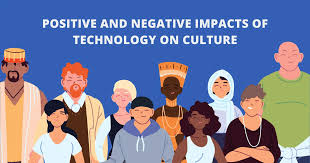
Culture is often seen as a timeless collection of traditions, beliefs, and practices that shape societies. Yet, culture is never static—it evolves in response to historical, political, and social forces. In recent decades, technology has emerged as one of the most significant drivers of cultural transformation. From communication to entertainment, from education to identity, technology is reshaping the ways people interact, express themselves, and understand the world.
The Impact of Technology on Cultural Transformation
Technology and Communication
Perhaps the most visible impact of technology on culture lies in communication. Social media platforms, instant messaging, and video conferencing have revolutionized how people connect across distances. In the past, cultural exchange depended on physical migration, books, or broadcast media. Today, a teenager in Mexico can exchange ideas with a peer in Japan in real time, bridging cultural gaps that once seemed insurmountable.
This global connectivity has encouraged the spread of cultural trends at unprecedented speed. Memes, viral dances, and online challenges cross national boundaries within days, creating global cultural phenomena. While this fosters shared experiences, it also raises concerns about homogenization, as local cultures may be overshadowed by global digital trends.
Technology and Entertainment
The entertainment industry offers another example of cultural transformation through technology. Streaming platforms have made films, music, and television shows from around the world accessible to global audiences. Korean dramas, Bollywood films, and Latin American music are now enjoyed far beyond their countries of origin. This accessibility promotes cultural diversity, giving creators opportunities to showcase their heritage on a global stage.
At the same time, algorithms shape what audiences consume, sometimes narrowing exposure to certain types of content. While technology enables access, it also creates echo chambers that influence cultural tastes and reinforce specific trends. Understanding this dynamic is crucial for ensuring that digital culture remains diverse and inclusive.
Technology and Identity
The rise of digital platforms has also transformed cultural identity. Online spaces allow individuals to express themselves in ways that transcend traditional boundaries. Subcultures thrive in digital communities, where people find belonging regardless of geography. From gaming communities to fandoms, technology enables new forms of cultural affiliation.
However, this digital identity often coexists with, or even conflicts with, offline cultural norms. For example, individuals may express themselves more freely online than within traditional communities, creating a dual cultural existence. This tension highlights how technology challenges long-established cultural expectations while empowering individuals to redefine themselves.
Education and Cultural Access
Technology has democratized access to knowledge, profoundly influencing cultural awareness. Online courses, digital libraries, and virtual museums allow people to explore histories, languages, and artistic traditions that were once limited by geography or privilege. For instance, students can now take virtual tours of the Louvre or study indigenous traditions through online platforms, fostering appreciation for global cultural heritage.
Yet, the digital divide remains a significant issue. Not all communities have equal access to technology, creating disparities in cultural participation. Bridging this gap is essential to ensure that technology enhances cultural inclusivity rather than reinforcing inequality.

Preserving Cultural Heritage with Technology
While some fear that technology erodes tradition, it also plays a critical role in preservation. Digital archiving, 3D modeling, and virtual reality allow endangered languages, rituals, and artifacts to be documented and shared widely. For example, indigenous communities use digital platforms to record oral traditions, ensuring that future generations can access their cultural heritage.
Museums and cultural organizations also employ augmented reality and interactive apps to make cultural experiences more engaging. By combining tradition with innovation, technology offers tools for keeping culture alive in modern forms.
Challenges of Cultural Transformation
The relationship between technology and culture is not without challenges. Rapid cultural shifts can create generational divides, as older communities struggle to adapt to new digital norms. Additionally, cultural authenticity may be questioned when traditions are adapted for online consumption. For instance, rituals broadcast on social media may lose their sacred significance when performed primarily for entertainment.
There are also concerns about cultural appropriation in digital spaces, where symbols and practices are borrowed without understanding or respect. Ensuring ethical cultural exchange in a digital era requires greater awareness and sensitivity.
Toward a Balance Between Tradition and Innovation
The future of culture lies in balancing tradition with innovation. While technology accelerates cultural change, societies must find ways to integrate digital advances without losing their heritage. This balance is not about resisting technology but about using it thoughtfully. For example, local communities can embrace digital storytelling to share traditions while preserving authenticity.
Policymakers, educators, and cultural leaders have a responsibility to guide this transformation. By promoting digital literacy, supporting cultural creators, and encouraging respectful exchange, they can ensure that technology enriches rather than diminishes culture.
Conclusion
Technology is not merely a tool; it is a cultural force. It reshapes communication, entertainment, identity, education, and heritage in ways that redefine human experience. While challenges exist, technology also offers unprecedented opportunities for cultural exchange, preservation, and innovation. The task ahead is to harness its potential responsibly, ensuring that as culture evolves in the digital age, it continues to reflect the richness, diversity, and creativity of humanity.