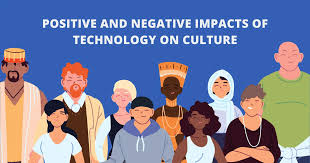


Culture is often described as the soul of a community. It encompasses traditions, values, language, art, and shared practices that give people a sense of belonging and meaning. While individuals may differ in personality and perspective, culture provides a collective framework that shapes their identity. Understanding this connection between culture and identity is crucial for appreciating the diversity and complexity of human societies.
The Role of Culture in Shaping Human Identity
Culture as a Foundation of Identity
From birth, individuals are immersed in cultural norms that guide how they view the world. Language is one of the strongest cultural markers, not just as a tool for communication but also as a means of shaping thought. For example, languages that use different forms of address for elders or superiors naturally instill values of respect and hierarchy. Similarly, customs surrounding food, dress, or celebrations form the foundation of social belonging. These elements may seem ordinary, but they significantly influence how people perceive themselves and others.
Traditions and Continuity
Cultural traditions are more than rituals; they are links to history and collective memory. Festivals, family customs, and national ceremonies remind individuals of their roots. For instance, Lunar New Year celebrations in East Asia or Thanksgiving in the United States are not merely about food or festivities but about reinforcing cultural continuity and transmitting values across generations. By participating in these traditions, individuals strengthen their sense of identity while feeling connected to a larger story.
The Influence of Globalization
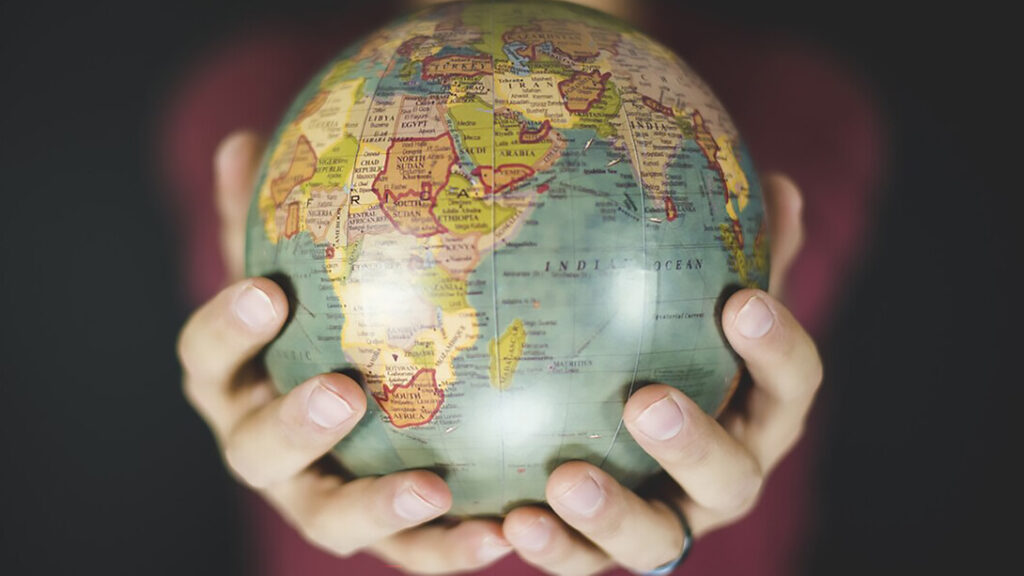
In today’s interconnected world, culture is not static. Globalization allows ideas, music, cuisine, and fashion to spread across borders. This creates a dynamic exchange, enriching societies but also challenging traditional identities. A teenager in Vietnam may listen to Korean pop music, wear American fashion, and celebrate local festivals all at once. This blending raises questions about authenticity and whether traditional cultures risk being diluted. However, globalization can also be seen as a force that enables cultural dialogue, fostering understanding among people of different backgrounds.
Culture and Personal Growth
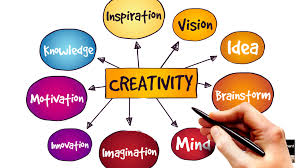
Beyond collective identity, culture influences personal development. Exposure to diverse cultural practices encourages empathy and adaptability. For example, studying abroad allows individuals to experience new traditions, challenge assumptions, and broaden perspectives. Multicultural environments promote resilience and creativity, qualities essential in a rapidly changing world. While people may cling to their cultural roots, openness to new influences often enhances rather than diminishes their identity.
Preserving Cultural Heritage
Amid rapid modernization, preserving cultural heritage is a pressing concern. Traditional crafts, languages, and rituals often face extinction as younger generations move toward global trends. Governments and communities have a responsibility to safeguard these treasures. UNESCO’s recognition of intangible cultural heritage highlights the global effort to protect endangered traditions. Yet preservation should not mean isolation. Instead, cultures must adapt while retaining their essence. For example, traditional music can integrate modern instruments, ensuring relevance without losing authenticity.

The Balance Between Individual and Collective Identity
Culture shapes identity, but individuals also reshape culture. People reinterpret traditions, challenge outdated norms, and innovate new practices. This dynamic relationship ensures that culture remains alive and relevant. The balance lies in honoring the past while embracing the present. Respecting cultural roots provides stability, while individual expression injects vitality.
Conclusion
Culture is inseparable from identity. It provides individuals with a sense of belonging, continuity, and meaning, while also enabling societies to thrive in diversity. In a globalized era, the challenge is to preserve cultural uniqueness without closing doors to new influences. Ultimately, culture is not a rigid framework but a living, evolving force that shapes who we are and who we aspire to become.