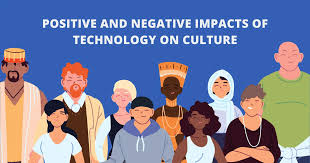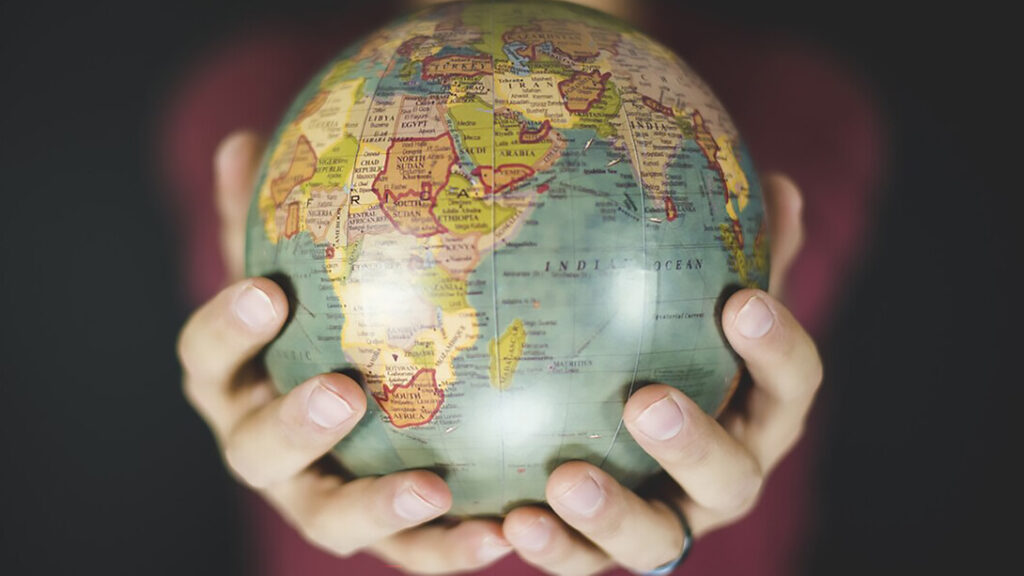


In the 21st century, cultural diversity has become more than just a social reality—it is a powerful catalyst for creativity, innovation, and progress. Organizations, communities, and even entire nations are beginning to realize that embracing cultural diversity is not only a matter of inclusion but also a strategic advantage. From workplaces to schools and from cities to global networks, diversity shapes the way people think, collaborate, and create.
Understanding Cultural Diversity
Cultural diversity refers to the existence of multiple cultural identities within a shared environment. These differences may include language, ethnicity, religion, customs, artistic expression, and even perspectives on problem-solving. In the past, societies often valued homogeneity as a means of unity. However, today’s interconnected world shows that diversity, when properly managed, strengthens rather than weakens social cohesion.
Diversity as a Creative Force
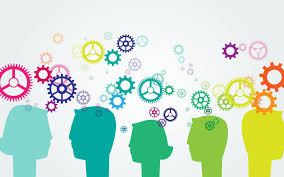
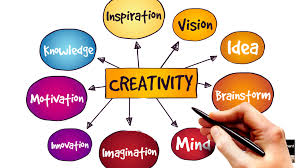
One of the most compelling arguments for cultural diversity is its ability to spark innovation. When people from different backgrounds collaborate, they bring distinct perspectives to the table. This variety of ideas prevents groupthink, challenges assumptions, and encourages novel solutions. For instance, research has shown that diverse teams in business are more likely to develop groundbreaking products, as they combine multiple worldviews to tackle problems in unconventional ways.
The field of technology provides striking examples. Multinational teams have pioneered advancements in artificial intelligence, biotechnology, and clean energy by merging diverse expertise and cultural approaches. Similarly, the arts thrive on cultural exchange. Jazz, for instance, emerged from a fusion of African, European, and American influences, and today it stands as a global genre representing creative innovation through diversity.
Workplace Benefits of Cultural Diversity
In the corporate world, cultural diversity is increasingly recognized as a strategic advantage. Companies that prioritize inclusion often outperform competitors in terms of profitability, employee satisfaction, and global reach. Diverse teams reflect a broader customer base, allowing organizations to design products and services that resonate across cultures.
Moreover, diversity fosters adaptability. A multicultural workforce is better equipped to handle the complexities of global markets, from understanding consumer behavior in different regions to navigating international regulations. For example, a marketing campaign designed by a culturally diverse team is more likely to avoid stereotypes and resonate authentically with various audiences.
Challenges of Embracing Diversity
Despite its benefits, cultural diversity also presents challenges. Differences in communication styles, values, or work ethics can sometimes lead to misunderstandings or conflicts. For example, in some cultures, direct communication is valued, while in others, indirect communication is a sign of politeness. Without awareness and training, such differences may cause tension.
To overcome these challenges, organizations and communities must invest in cultural competence. This involves training individuals to recognize, respect, and adapt to cultural differences. Effective leadership plays a crucial role in fostering environments where diversity is not only accepted but celebrated.
Education and Cultural Awareness
Education systems worldwide are increasingly recognizing the importance of cultural diversity. By incorporating multicultural perspectives into curricula, schools prepare students to thrive in a globalized world. Exposure to different histories, languages, and worldviews helps young people build empathy, critical thinking, and global citizenship.
Exchange programs and international collaborations further enhance cultural awareness. A student studying abroad not only gains academic knowledge but also learns how to navigate new cultural landscapes. These experiences broaden horizons, cultivating skills that are highly valued in professional and social settings alike.
Diversity in Urban Life
Cities, as melting pots of culture, demonstrate how diversity can enrich daily life. Multicultural neighborhoods often become hubs of creativity, cuisine, music, and art. Festivals celebrating cultural traditions provide opportunities for communities to share their heritage, fostering mutual respect. At the same time, urban diversity challenges policymakers to create inclusive spaces where all cultural groups feel valued.
The rise of global cities like New York, London, and Singapore shows how embracing diversity can lead to economic growth and cultural vibrancy. These cities attract talent from around the world, making them leaders in innovation and cultural exchange.
Toward a Culture of Inclusion
Ultimately, cultural diversity can only serve as a driver of innovation if it is coupled with inclusion. Diversity refers to the presence of differences, while inclusion ensures that those differences are respected and leveraged. Without inclusion, diversity risks becoming tokenism. With inclusion, it becomes a source of strength.
Creating a culture of inclusion requires intentional policies, open dialogue, and continuous learning. It involves recognizing unconscious biases, providing equal opportunities, and ensuring that every voice is heard. Societies that invest in inclusion create environments where diversity flourishes and innovation thrives.
Conclusion
Cultural diversity is not a challenge to be managed but an opportunity to be embraced. By bringing together people with different backgrounds, experiences, and perspectives, societies and organizations can unlock creativity and drive progress. While challenges exist, the benefits of cultural diversity far outweigh the difficulties. In an era defined by complexity and rapid change, it is diversity—when combined with inclusion—that will lead the way toward innovation, resilience, and shared growth.