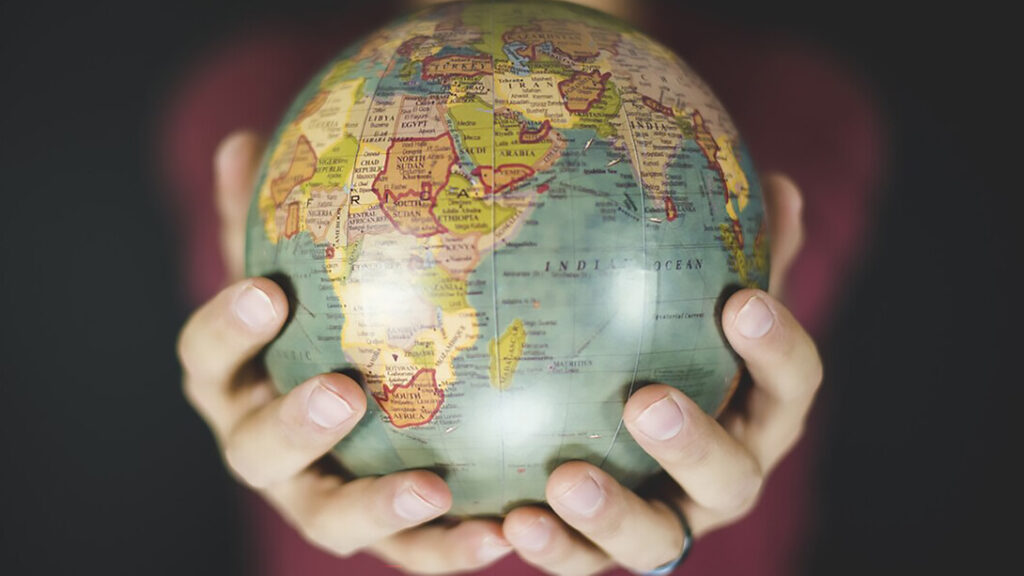



In today’s interconnected world, intercultural understanding is no longer an option—it is a necessity. As borders become increasingly porous through trade, travel, migration, and digital communication, people from diverse backgrounds encounter each other more frequently. These interactions, whether in workplaces, classrooms, or communities, highlight the importance of building mutual respect and understanding across cultures. Without it, globalization risks leading to division and conflict rather than cooperation and harmony.
The Importance of Intercultural Understanding in a Globalized World
What Is Intercultural Understanding?
Intercultural understanding refers to the ability to recognize, respect, and adapt to cultural differences. It goes beyond mere tolerance; it involves active engagement with other perspectives, empathy for diverse experiences, and a willingness to learn from one another. In essence, it is about seeing the world through someone else’s cultural lens while maintaining one’s own identity.

Globalization and Cultural Interaction
Globalization has accelerated cultural interaction on an unprecedented scale. Multinational corporations employ diverse workforces, universities host students from around the world, and digital platforms connect individuals across continents in real time. While this creates opportunities for collaboration and innovation, it also exposes cultural differences that can lead to misunderstandings.
For example, a simple gesture may carry different meanings in different cultures. A thumbs-up is seen as positive in some countries but offensive in others. Similarly, approaches to hierarchy, decision-making, or time management vary widely across societies. Without intercultural understanding, such differences can hinder communication and collaboration.
The Role of Intercultural Competence in Business
In the global economy, intercultural competence has become a valuable skill. Companies that operate across borders must navigate diverse cultural expectations to succeed. Marketing campaigns tailored to one cultural context may fail—or even offend—in another. A business negotiation in Japan, where patience and indirect communication are valued, differs greatly from one in the United States, where directness and efficiency are prioritized.
Leaders who cultivate intercultural understanding within their organizations are better equipped to manage diversity, build trust, and foster creativity. By embracing cultural differences rather than ignoring them, businesses not only enhance their global reach but also strengthen internal cohesion.
Education and Intercultural Learning
Education systems play a crucial role in promoting intercultural understanding. Schools and universities that incorporate multicultural curricula prepare students for a globalized future. Exposure to diverse histories, philosophies, and artistic traditions broadens horizons, encouraging empathy and critical thinking.
Exchange programs and study-abroad opportunities are particularly effective in building intercultural competence. Students who immerse themselves in foreign cultures gain firsthand experience of different ways of life. They learn to navigate unfamiliar social norms, confront stereotypes, and appreciate diversity. Such experiences foster global citizenship, equipping young people with skills that extend beyond academic achievement.
Media, Technology, and Cultural Exchange
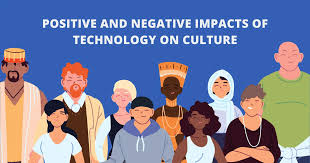
The digital age has made intercultural exchange more accessible than ever. Social media platforms, online forums, and digital collaborations enable people to share perspectives and traditions across borders. Films, music, and literature from around the world are available at the click of a button, promoting cultural appreciation.
However, the same technologies that connect cultures can also reinforce divisions. Algorithms often create echo chambers, exposing users only to content that aligns with their existing beliefs. Misrepresentation and stereotypes can spread rapidly, shaping perceptions in harmful ways. Promoting digital literacy and responsible media consumption is therefore essential to foster genuine intercultural understanding.

Challenges to Intercultural Understanding
While the benefits of intercultural understanding are clear, challenges remain. Prejudice, discrimination, and ethnocentrism continue to create barriers. Historical conflicts and political tensions can fuel mistrust between cultural groups. Language differences further complicate communication, often leading to frustration or misunderstanding.
Overcoming these challenges requires conscious effort. It involves unlearning stereotypes, acknowledging biases, and engaging in open dialogue. Intercultural understanding does not mean ignoring differences but rather respecting them while finding common ground.
The Benefits of Intercultural Understanding
The rewards of intercultural understanding extend across all levels of society. On an individual level, it fosters personal growth, resilience, and adaptability. People who embrace intercultural learning are better prepared to handle diverse environments, whether in travel, work, or social relationships.
On a community level, intercultural understanding promotes harmony and cooperation. Cities with diverse populations benefit from cultural exchange in food, art, festivals, and innovation. On a global level, intercultural competence is essential for diplomacy, conflict resolution, and international cooperation. When nations recognize and respect each other’s cultural values, they are more likely to collaborate on shared challenges such as climate change, healthcare, and peacekeeping.
Cultivating Intercultural Understanding
Developing intercultural competence requires deliberate effort. Practical steps include:
-
Active Listening: Paying attention to what others say without rushing to judgment.
-
Cultural Curiosity: Showing genuine interest in learning about other traditions, languages, and perspectives.
-
Empathy: Placing oneself in another person’s cultural context to understand their worldview.
-
Adaptability: Adjusting communication styles and behaviors to respect cultural norms.
Organizations and governments can support these efforts by promoting inclusive policies, facilitating cultural exchange programs, and encouraging cross-cultural dialogue.
Conclusion
Intercultural understanding is the cornerstone of peaceful coexistence in a globalized world. It enriches personal lives, strengthens communities, and enhances international cooperation. While challenges such as prejudice and miscommunication persist, they can be overcome through education, empathy, and open dialogue. As the world grows increasingly interconnected, fostering intercultural understanding is not just a social ideal but a practical necessity for building a more harmonious and collaborative future.