



Health is often taken for granted until problems arise. Many people only visit doctors when symptoms appear, but by then, conditions may already be advanced. Preventive health care changes this approach—it focuses on identifying risks early and taking action before illness develops. With small, consistent steps, preventive care can lead to longer, healthier, and more fulfilling lives.
Preventive Health Care – Small Steps with Big Impact
What Is Preventive Health Care?
Preventive health care refers to practices and measures aimed at avoiding disease rather than treating it after it occurs. It includes medical screenings, vaccinations, healthy lifestyle choices, and regular check-ups. The philosophy is simple: preventing illness is easier, less costly, and less stressful than treating it.

The Role of Regular Check-Ups
Routine medical visits are essential to preventive health. Screenings and tests can detect early signs of conditions such as hypertension, diabetes, or cancer—when they are most treatable. For example:
-
Blood pressure checks can catch hypertension before it leads to heart disease or stroke.
-
Cholesterol and blood sugar tests help identify risks for cardiovascular issues and diabetes.
-
Cancer screenings, such as mammograms or colonoscopies, save lives through early detection.
Even if you feel healthy, regular check-ups provide a valuable baseline for tracking changes over time.
Vaccinations and Disease Prevention
Vaccines are one of the most powerful tools in preventive medicine. They protect individuals from infectious diseases and also contribute to community immunity, reducing the spread of illness.
From childhood immunizations to adult vaccines like flu shots or boosters for tetanus, vaccination schedules are essential for maintaining strong defenses. Staying up to date with vaccines prevents avoidable health crises.
Lifestyle Choices as Prevention
Prevention is not only about medical visits—it is also about daily choices. A healthy lifestyle significantly reduces the risk of chronic diseases:
-
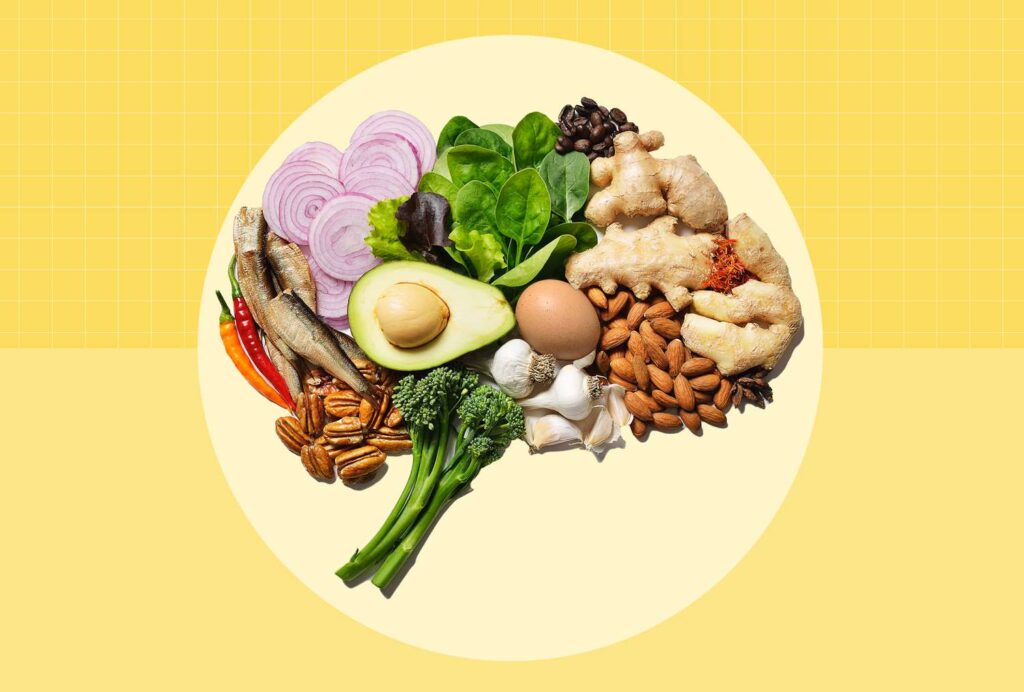
Balanced nutrition: Eating a diet rich in fruits, vegetables, whole grains, and lean proteins supports immune function and overall well-being.
-
Regular physical activity: Exercise strengthens the heart, bones, and muscles while lowering the risk of obesity and diabetes.
-
Adequate sleep: Rest allows the body to repair and recover, reducing stress and strengthening immunity.
-
Stress management: Mindfulness, meditation, and social support prevent the harmful effects of chronic stress.
Avoiding harmful habits is equally important. Quitting smoking, limiting alcohol, and avoiding excessive processed foods can dramatically improve long-term health outcomes.
Expanding Preventive Care Beyond Physical Health
Preventive care also includes oral, vision, and mental health.
-
Dental care: Regular dental check-ups prevent gum disease and tooth decay, which are linked to heart disease.
-
Eye exams: Early detection of conditions like glaucoma or macular degeneration can prevent vision loss.
-
Mental health: Regularly assessing emotional well-being and seeking support when needed helps prevent anxiety, depression, and burnout.
A truly preventive approach considers the whole person, not just physical symptoms.
Small Daily Habits with Big Results
Sometimes prevention comes down to simple daily practices:
-
Wearing seatbelts and helmets reduces injury risk in accidents.
-
Practicing good hand hygiene prevents infections.
-
Using sunscreen lowers the risk of skin cancer and premature aging.
-
Drinking enough water supports digestion, circulation, and energy.
Though these actions seem small, their cumulative effect over a lifetime is profound.
The Broader Impact of Prevention
Preventive health care benefits not only individuals but also society. Early detection and healthy lifestyles reduce the burden on healthcare systems, lower medical costs, and improve workplace productivity. On a community level, preventive measures like vaccination campaigns protect vulnerable populations and strengthen public health resilience.
Conclusion
Preventive health care is about making intentional choices today to protect your well-being tomorrow. It does not require drastic changes—just consistent, mindful actions like scheduling regular check-ups, staying up to date on vaccinations, eating well, exercising, and managing stress.
By embracing prevention, you empower yourself to live a longer, healthier life. Small steps, practiced consistently, have the power to create big impacts—not just for individuals, but for families, communities, and future generations.
More Stories from Health News

Health News
Managing Stress for Better Health
Health News
Building a Balanced Diet for Long-Term Health

Health News