


Stress is a natural part of modern life. While short-term stress can sometimes motivate us to meet deadlines or overcome challenges, chronic stress can harm both physical and mental health. Left unmanaged, it may lead to high blood pressure, weakened immunity, digestive issues, anxiety, and even heart disease. Learning how to manage stress effectively is essential for long-term wellness and overall quality of life.
Managing Stress for Better Health
Understanding Stress
Stress is the body’s response to perceived threats or demands. When stressed, the body releases hormones like cortisol and adrenaline, preparing us for a “fight or flight” reaction. While this response is useful in emergencies, prolonged activation can disrupt normal bodily functions.
Chronic stress often manifests through symptoms such as headaches, fatigue, sleep disturbances, mood swings, or difficulty concentrating. Recognizing these early warning signs is the first step in effective stress management.

The Connection Between Stress and Health
Stress impacts almost every system in the body:
-
Cardiovascular system: Long-term stress raises blood pressure and increases the risk of heart disease.
-
Immune system: Chronic stress weakens immunity, making the body more vulnerable to infections.
-
Digestive system: Stress can trigger stomach discomfort, irritable bowel syndrome, or changes in appetite.
-
Mental health: Persistent stress contributes to anxiety, depression, and burnout.
Clearly, managing stress is not a luxury—it is a necessity for maintaining both physical and emotional balance.
Practical Stress Management Techniques
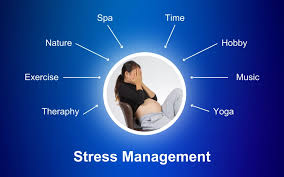
There is no one-size-fits-all approach to stress relief, but several strategies have been proven effective:
1. Mindfulness and Relaxation
Practices such as meditation, yoga, and deep breathing calm the nervous system. Even five minutes of focused breathing can lower cortisol levels and promote relaxation. Mindfulness encourages living in the present moment, reducing rumination about past events or worries about the future.
2. Physical Activity
Exercise is a natural stress reliever. Activities like jogging, cycling, or even walking outdoors release endorphins that improve mood and reduce tension. Consistent movement also improves sleep, energy levels, and resilience against daily pressures.
3. Adequate Sleep
Sleep and stress are closely connected. Lack of rest heightens stress responses, while stress often disrupts sleep. Establishing a consistent sleep routine—going to bed at the same time, limiting screen use before bed, and creating a calming environment—can significantly improve both sleep quality and stress management.
4. Healthy Nutrition
Diet plays a role in how the body handles stress. Consuming excessive caffeine, sugar, or processed foods can increase irritability and anxiety. A balanced diet rich in fruits, vegetables, whole grains, and lean proteins supports stable energy and mood regulation.
5. Social Support
Human connections are powerful buffers against stress. Talking with family, friends, or colleagues can provide comfort and perspective. For deeper challenges, professional counseling or therapy offers structured support.
6. Time Management
Overcommitment is a common source of stress. Learning to prioritize, delegate tasks, and set realistic goals prevents feelings of being overwhelmed. Taking short breaks during the day can also recharge focus and productivity.
Long-Term Stress Resilience
Beyond short-term techniques, cultivating resilience helps the body and mind adapt better to life’s challenges. Building resilience involves:
-
Maintaining a positive outlook.
-
Practicing gratitude daily.
-
Developing problem-solving skills.
-
Setting aside time for hobbies and creative outlets.
Resilient individuals do not avoid stress completely, but they recover from setbacks more effectively.
When to Seek Professional Help
While stress is normal, overwhelming stress that disrupts daily life requires professional attention. Symptoms such as persistent sadness, panic attacks, or inability to perform daily tasks may indicate an underlying condition like anxiety disorder or depression. Mental health professionals can provide effective treatment and coping strategies.
Conclusion
Stress is inevitable, but suffering from it does not have to be. By incorporating mindfulness, exercise, sleep hygiene, proper nutrition, social support, and time management into daily routines, individuals can significantly reduce stress and its negative effects.
Ultimately, stress management is about balance. Life will always bring challenges, but with the right tools, you can face them with resilience, protect your health, and maintain peace of mind. Managing stress is not only about surviving—it is about thriving.
More Stories from Health News


Health News
Building a Balanced Diet for Long-Term Health

Health News