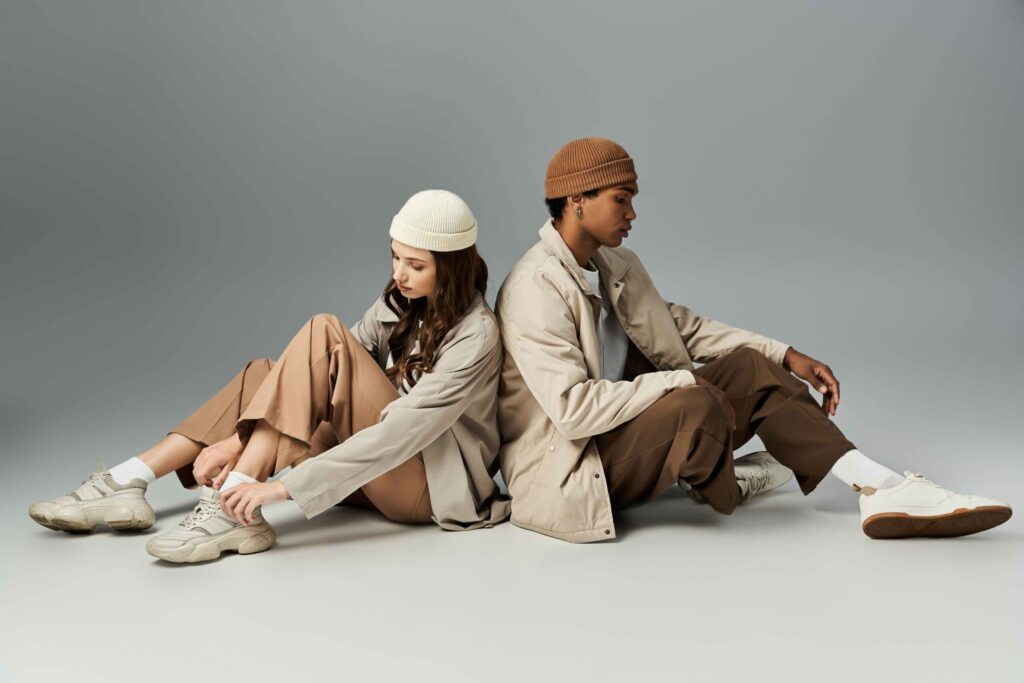



Luxury fashion has always been associated with exclusivity, craftsmanship, and prestige. For centuries, brands like Chanel, Hermès, and Louis Vuitton cultivated reputations built on heritage and artistry. However, the modern era has brought profound shifts in consumer behavior, technology, and cultural values. Today, luxury branding is no longer defined solely by tradition; it is a delicate balance between honoring heritage and embracing innovation.
Luxury Branding in the Modern Era – Tradition Meets Innovation
The Changing Definition of Luxury
Luxury once symbolized rarity, unattainability, and refinement. Consumers valued legacy and exclusivity, often passed down through generations. In the modern era, however, the meaning of luxury has expanded. While craftsmanship and heritage remain important, consumers increasingly demand authenticity, sustainability, and cultural relevance.
Luxury is no longer only about owning a product — it is about experiencing a lifestyle. Brands now focus on emotional connection, offering customers a sense of belonging, status, and identity through their products and experiences.

The Influence of Younger Generations
Millennials and Gen Z have redefined luxury consumption. Unlike previous generations, who valued ownership, younger consumers prioritize experiences and self-expression. They expect brands to reflect their values, from inclusivity and diversity to environmental responsibility.
Social media has also given these generations unprecedented influence. A single viral moment on Instagram or TikTok can elevate a product to cult status. As a result, luxury brands have adapted their strategies, engaging directly with consumers through digital campaigns, collaborations, and interactive content.
Digital Transformation of Luxury
Technology has become a central pillar of modern luxury branding. Online boutiques, livestream shopping events, and virtual fashion shows have made luxury more accessible while maintaining exclusivity. High-end brands are investing in augmented reality and virtual try-on experiences to enhance customer engagement.
The rise of the metaverse has introduced digital luxury, where consumers purchase virtual clothing and accessories for avatars. Gucci, Balenciaga, and other brands have already launched collections for online platforms, signaling a new era where digital and physical luxury coexist.
Storytelling and Brand Heritage
Despite embracing innovation, heritage remains a cornerstone of luxury branding. Consumers value the authenticity and legacy behind a brand, and storytelling has become an essential tool to communicate this heritage.
Luxury brands often highlight their founders’ vision, traditional craftsmanship, or cultural influence. By weaving history into modern narratives, they preserve their exclusivity while staying relevant. This blending of old and new creates a sense of timelessness that appeals to both loyal clients and younger audiences.
Sustainability as a Core Value
Sustainability has become non-negotiable in modern luxury. Consumers expect transparency about sourcing, production, and environmental impact. Luxury brands, once criticized for wasteful practices, are now leading in eco-conscious innovation.
From carbon-neutral operations to the use of recycled materials, many luxury houses are reshaping their production methods. Circular fashion initiatives, such as resale platforms and product repair services, are also being integrated into luxury strategies, reinforcing the idea that true luxury stands the test of time.
The Power of Collaborations
Collaborations have redefined luxury branding in recent years. Partnerships between luxury houses and streetwear labels — such as Louis Vuitton x Supreme — have blurred boundaries, making exclusivity more accessible while still desirable. These collaborations generate cultural buzz, attract younger consumers, and expand brand visibility.
Cross-industry collaborations are also growing. From high fashion teaming up with sportswear giants to partnerships with artists and musicians, collaborations help luxury brands remain culturally relevant while fostering innovation.
Personalization and Customer Experience
In the modern era, luxury is deeply tied to personalization. Consumers expect tailored experiences, from custom designs to exclusive services. High-end brands use data and technology to anticipate client preferences, offering bespoke recommendations and private shopping experiences.
Luxury boutiques are also evolving beyond retail spaces. They are becoming immersive environments where customers can interact with the brand through art, hospitality, and unique cultural events. These experiences reinforce exclusivity while building long-term loyalty.
Challenges Facing Modern Luxury
Despite its success, the luxury sector faces challenges in the modern era. The democratization of fashion through digital platforms risks diluting exclusivity. Counterfeit markets remain a significant problem, undermining brand integrity.
Additionally, balancing heritage with innovation is a constant challenge. Moving too far into digital trends risks alienating traditional clients, while resisting change can make brands appear outdated. Striking the right balance is key to sustaining relevance.
The Future of Luxury Branding
The future of luxury lies in hybrid strategies that merge heritage with innovation. Technology will continue to shape consumer engagement, from digital fashion in the metaverse to AI-powered personalization. Sustainability will become central to luxury identity, with eco-conscious practices integrated into every stage of production.
At the same time, storytelling and craftsmanship will remain essential, reminding consumers that luxury is not just about trends but about timeless artistry and cultural legacy.
Conclusion
Luxury branding in the modern era reflects a fascinating duality: the preservation of tradition alongside bold innovation. The industry is evolving to meet the values of a new generation while staying true to its roots in craftsmanship, exclusivity, and artistry.
In this dynamic landscape, luxury is no longer just about what you wear — it is about what the brand represents. The future of luxury will be defined by its ability to merge identity, responsibility, and innovation into experiences that are as meaningful as they are beautiful.