



Streetwear, once considered an underground style tied to skateboarding and hip-hop, has evolved into one of the most influential forces in the global fashion industry. No longer confined to niche subcultures, streetwear has redefined luxury, altered consumer behavior, and reshaped the way fashion is consumed and perceived. At its core, streetwear represents more than just clothing — it is a cultural movement driven by creativity, community, and identity.
Streetwear and the Power of Youth Culture
Origins of Streetwear
Streetwear began in the late 20th century, largely rooted in the skateboarding, surf, and hip-hop scenes of the United States. Early brands like Stüssy and Supreme tapped into local communities by offering casual, comfortable clothing that reflected the lifestyles of young people. These labels rejected traditional fashion hierarchies, instead drawing inspiration from music, graffiti, and youth subcultures.
Unlike luxury fashion houses with exclusive runways, streetwear emerged organically from the streets. It was practical, affordable, and authentic, qualities that resonated deeply with the communities it served. Over time, this authenticity became its greatest strength, turning streetwear into a symbol of rebellion and self-expression.
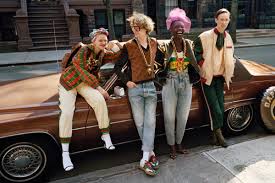
The Role of Exclusivity and Hype
One of streetwear’s defining features is its unique business model, built on limited releases and “drops.” Rather than producing mass quantities, brands release small batches of products, creating a sense of scarcity. This strategy drives hype, as consumers rush to secure items before they sell out.
The resale market has amplified this exclusivity. Popular sneakers and apparel can resell for several times their original price, turning streetwear into both a cultural and financial investment. Platforms dedicated to sneaker and streetwear reselling have become billion-dollar industries, blurring the line between fashion and commerce.
Streetwear Meets Luxury
In recent years, luxury fashion has embraced streetwear in unprecedented ways. Collaborations between high-end brands and streetwear labels — such as Louis Vuitton x Supreme or Dior x Air Jordan — illustrate this merging of worlds. These partnerships not only elevate streetwear into the luxury space but also make traditional fashion houses more relevant to younger audiences.
This fusion has transformed the definition of luxury itself. No longer limited to tailored suits or couture gowns, luxury now includes sneakers, hoodies, and graphic tees. The blend of streetwear and high fashion reflects a broader cultural shift where youth-driven trends dictate global style.
The Influence of Social Media
Social media platforms, particularly Instagram and TikTok, have propelled streetwear’s rise. Trends spread instantly, and new brands gain visibility without relying on traditional advertising. Influencers and celebrities play a central role, turning a single post into a viral moment that can sell out collections within hours.
Streetwear thrives in this environment because it aligns with the fast-paced, image-driven culture of social media. Each outfit becomes a statement, and online communities serve as the new arenas where fashion credibility is built and challenged.
Streetwear as Identity and Community
More than clothing, streetwear is a form of identity. It allows individuals to express their creativity and affiliations, whether tied to music, sports, or social movements. For many, owning a particular sneaker or hoodie is not just about style but about belonging to a community with shared values.
Streetwear also democratizes fashion by blurring social boundaries. Unlike exclusive haute couture, which often caters to a narrow elite, streetwear’s origins celebrate accessibility and inclusivity. Today, this ethos continues, as many brands use their platforms to highlight diversity and amplify underrepresented voices.
Sustainability Challenges
Despite its cultural influence, streetwear faces challenges, particularly regarding sustainability. The hype-driven model often fuels overconsumption, with consumers buying items not for personal use but for resale. This cycle contributes to fashion waste and raises ethical concerns.
However, many emerging streetwear brands are addressing these issues by adopting sustainable practices. From using recycled materials to limiting production runs for genuine demand rather than hype, sustainability is becoming an increasingly important conversation in the streetwear world.

The Globalization of Streetwear
What began in the streets of New York, Los Angeles, and Tokyo has now become a worldwide phenomenon. Cities across the globe have developed their own interpretations of streetwear, blending local culture with global influences. Korean street fashion, for instance, has gained international recognition, combining bold experimentation with streetwear’s casual foundation.
This globalization reinforces the idea that streetwear is not a fixed style but a flexible language of expression. Each community reshapes it to reflect its own experiences, making streetwear both universal and deeply personal.
The Future of Streetwear
As streetwear matures, it faces the challenge of balancing authenticity with commercialization. While collaborations and luxury crossovers have expanded its reach, some critics argue that streetwear risks losing its rebellious spirit. Maintaining credibility while adapting to mainstream popularity will determine its longevity.
Looking ahead, the future of streetwear is likely to involve greater integration with technology, from digital fashion for online avatars to augmented reality shopping experiences. At the same time, sustainability and community values will remain central, as consumers increasingly demand responsibility from the brands they support.
Conclusion
Streetwear’s journey from underground culture to global powerhouse highlights the transformative power of youth-driven fashion. It represents more than clothing; it is a dynamic movement shaped by creativity, community, and cultural exchange. As it continues to evolve, streetwear will remain a vital force in defining the fashion of tomorrow, proving that style from the streets can reshape the world stage.