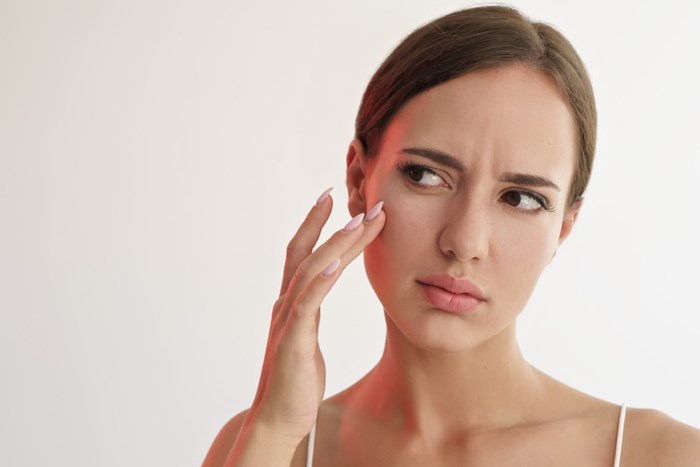


Stress is a silent yet powerful factor that affects both your overall health and your skin. From breakouts and dullness to premature aging, chronic stress can wreak havoc on your complexion. For busy professionals and individuals with demanding lifestyles, understanding the link between stress and skin health is essential. By combining mindful lifestyle habits with a targeted skincare routine, you can reduce the impact of stress on your skin and maintain a radiant, healthy appearance.
Skincare Tips for Reducing Stress-Related Skin Issues
1. Understanding Stress and Its Impact on Skin
When your body experiences stress, it produces higher levels of cortisol, a hormone that triggers inflammation and disrupts the balance of oil production. Elevated cortisol can lead to:
-
Acne flare-ups: Overproduction of sebum clogs pores and triggers breakouts.
-
Dryness or irritation: Stress impairs skin barrier function, leading to moisture loss and sensitivity.
-
Premature aging: Cortisol accelerates the breakdown of collagen and elastin, causing fine lines and wrinkles.
-
Dull complexion: Reduced circulation limits oxygen and nutrient delivery to skin cells, making your skin appear tired.
Understanding this connection helps you take proactive steps to protect and restore your skin.

2. Prioritize Gentle Cleansing
Cleansing is a critical first step for stress-affected skin. Dirt, pollution, and excess oil can exacerbate skin issues caused by stress.
-
Use a gentle, hydrating cleanser that removes impurities without stripping natural oils.
-
For acne-prone or oily skin, a mild foaming cleanser with natural calming ingredients like green tea extract or chamomile can help reduce inflammation.
-
Cleanse twice daily — morning and night — to maintain clear, balanced skin.
3. Hydration Is Key
Stress can dehydrate the skin and compromise its protective barrier. A consistent moisturizing routine helps restore hydration and resilience.
-
Choose a moisturizer with ceramides, hyaluronic acid, or squalane to repair the skin barrier.
-
Consider hydrating mists or facial sprays throughout the day to replenish moisture during stressful situations.
-
Applying moisturizer on slightly damp skin improves absorption and maintains hydration longer.
4. Incorporate Anti-Inflammatory Ingredients
Targeted ingredients can calm stress-induced skin irritation and redness. Look for products that contain:
-
Niacinamide: Reduces redness and strengthens the skin barrier.
-
Aloe vera: Soothes and hydrates irritated skin.
-
Centella asiatica (cica): Helps repair damaged skin and minimize inflammation.
-
Green tea extract: Provides antioxidant protection against environmental stressors.
Regular use of these ingredients can help prevent stress from visibly affecting your skin.
5. Antioxidants to Combat Oxidative Stress
Stress increases free radicals, which contribute to aging and dullness. Antioxidants neutralize these harmful molecules and protect the skin.
-
Vitamin C: Brightens skin and supports collagen production.
-
Vitamin E: Moisturizes and shields skin from oxidative damage.
-
Polyphenols: Found in plant extracts like grape seed and green tea, they help protect and repair stressed skin.
Incorporating antioxidant-rich serums or creams into your routine can strengthen your skin’s defenses.
6. Mindful Lifestyle Practices for Skin Health
Skincare products alone aren’t enough to combat stress-related skin issues. Lifestyle habits play a crucial role:
-
Get adequate sleep: Aim for 7–9 hours to allow your skin to repair and regenerate.
-
Exercise regularly: Physical activity reduces cortisol levels and boosts circulation, enhancing your skin’s glow.
-
Practice relaxation techniques: Meditation, deep breathing, and yoga can lower stress and improve overall skin health.
-
Stay hydrated and eat a nutrient-rich diet: Include antioxidants, omega-3 fatty acids, and vitamins to support skin repair.
7. Avoid Stress-Aggravating Habits
Certain behaviors can worsen stress-related skin problems:
-
Excessive caffeine or alcohol intake can dehydrate skin and trigger inflammation.
-
Touching or picking at your face spreads bacteria and worsens breakouts.
-
Skipping meals or poor nutrition deprives your skin of essential nutrients needed for repair.
Being mindful of these habits can reduce the frequency and severity of stress-related skin issues.

8. Quick Stress-Relief Skincare Rituals
Incorporating short, calming rituals into your daily routine can benefit both your skin and mind:
-
Facial massage: Boosts circulation and reduces tension.
-
Cold compress or jade roller: Soothes puffiness and redness.
-
Aromatherapy: Lavender, chamomile, or rose essential oils can relax the mind while providing antioxidant benefits for skin.
Even 5–10 minutes of mindful self-care can improve skin health and lower stress levels.
9. Consistency Over Complexity
The key to managing stress-related skin issues is a consistent, simple routine. Overcomplicating your skincare can stress both your skin and your schedule. Focus on essential steps: cleanse, hydrate, protect, and repair with antioxidant support.
Consistency allows your skin to recover and adapt, reducing the visible effects of stress over time.
Stress may be unavoidable in modern life, but its impact on your skin doesn’t have to be permanent. By combining gentle, effective skincare with mindful lifestyle practices, you can reduce breakouts, irritation, and premature aging caused by stress.
Remember, skincare is not just about products — it’s about holistic care. Prioritize hydration, antioxidant protection, sun defense, and stress management, and your skin will remain resilient, radiant, and healthy even during the most demanding days.