


Street food is more than just a quick meal—it is a cultural expression, an experience of authenticity, and often a reflection of a region’s identity. From bustling Asian night markets to European food trucks, street food brings people together, offering flavors that are accessible, affordable, and unforgettable.
The Art of Street Food – Flavors of the World
Asia’s Vibrant Offerings
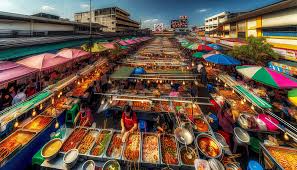
Asia is considered the heart of global street food. In Thailand, Pad Thai and mango sticky rice are iconic. Vietnam offers banh mi sandwiches and steaming bowls of pho. In Japan, takoyaki (octopus balls) and yakitori skewers are favorites among busy commuters.
Europe’s Take
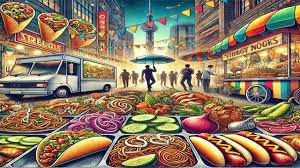
European street food has evolved over centuries. Italian pizza by the slice, German bratwurst, and French crepes are staples found in busy squares. Recently, food trucks across Europe have elevated the concept, serving fusion dishes that blend tradition with modern flair.
Latin America’s Rich Diversity
From Mexico’s tacos and elotes to Brazil’s pão de queijo, Latin American street food is bold, colorful, and deeply rooted in local traditions. It often highlights corn, beans, and tropical fruits, offering both sweet and savory delights.
Why Street Food Matters
Street food is important because it is democratic—anyone can enjoy it. It sustains local economies, supports small vendors, and preserves culinary heritage. Beyond taste, it provides travelers with a direct connection to the culture of a destination.
Conclusion
Street food is a reminder that some of the world’s best dining experiences are not found in fancy restaurants but on sidewalks, markets, and food carts. It is a celebration of culture, flavor, and community.
More Stories from Food & Recipes

Food & Recipes
Fermented Foods – Tradition Meets Health
Food & Recipes
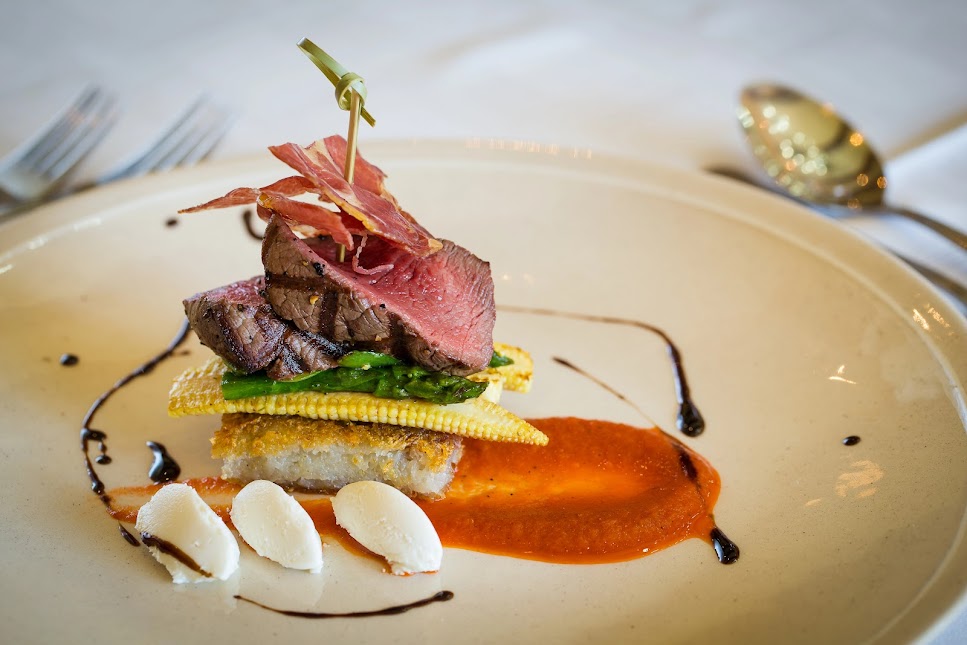
The Luxury of Fine Dining – Beyond Just Food

Food & Recipes