

The beauty industry is evolving rapidly, and one of the most significant shifts in recent years is the rise of clean beauty and sustainable skincare. Consumers are increasingly aware of what goes into their products, how those products are made, and the impact they have on both health and the environment. This movement represents more than just a trend; it is a fundamental transformation in how we view beauty.
In this article, we will explore what clean beauty means, why sustainability matters, and how you can adopt a more conscious approach to your skincare and beauty routine.
Clean Beauty and Sustainable Skincare: A Modern Path to Conscious Beauty
1. What Does Clean Beauty Really Mean?
At its core, clean beauty emphasizes safety, transparency, and responsibility. Unlike conventional beauty products that may contain questionable ingredients, clean beauty products avoid potentially harmful chemicals such as parabens, sulfates, phthalates, and synthetic fragrances.
However, clean beauty doesn’t necessarily mean “all-natural.” Instead, it focuses on using safe ingredients—whether naturally derived or scientifically developed—that are proven to be effective without posing health risks.
Takeaway: Clean beauty is about making informed choices and prioritizing ingredients that nurture rather than harm your skin.
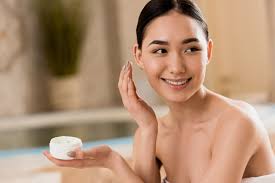
2. Why Sustainability Matters in Beauty
Beyond personal health, the clean beauty movement also emphasizes sustainability. The beauty industry is notorious for generating packaging waste and contributing to environmental damage. From single-use plastics to chemical-laden runoff, the impact is significant.
Sustainable skincare addresses these issues by considering the entire lifecycle of a product: how ingredients are sourced, how products are manufactured, and how packaging is disposed of. Brands that embrace sustainability often use biodegradable packaging, recyclable materials, and ethical sourcing practices.
Tip: When choosing skincare products, look for eco-friendly certifications, cruelty-free labels, and brands that disclose their sustainability commitments.
3. Key Ingredients to Embrace and Avoid
One of the pillars of clean beauty is knowing what’s inside your skincare products. Here are some general guidelines:
-
Ingredients to Embrace:
-
Hyaluronic acid (for hydration)
-
Vitamin C (for brightening and antioxidant protection)
-
Niacinamide (for barrier support and calming inflammation)
-
Plant-based oils like jojoba, rosehip, or squalane
-
Natural exfoliants such as lactic acid or fruit enzymes
-
-
Ingredients to Avoid (if possible):
-
Parabens (linked to hormonal disruption)
-
Sulfates (can strip the skin of natural oils)
-
Phthalates (commonly found in synthetic fragrances)
-
Formaldehyde-releasing preservatives
-
Microplastics (harmful to the environment)
-
Tip: Always read ingredient lists carefully and don’t be swayed by “greenwashing,” where brands market themselves as natural or eco-friendly without real evidence.
4. Packaging and Waste Reduction
A significant aspect of sustainable beauty is packaging. It’s estimated that the global beauty industry produces millions of tons of plastic waste each year, much of which is non-recyclable.
Innovative solutions include:
-
Refillable containers: Many brands now offer refill pouches or pods.
-
Glass packaging: Easier to recycle and less harmful than plastic.
-
Minimalist packaging: Reducing unnecessary layers of plastic or cardboard.
Tip: Support brands that prioritize eco-friendly packaging and consider your own habits, such as recycling empty containers properly or reusing jars for DIY skincare.

5. Cruelty-Free and Ethical Sourcing
Clean beauty is also tied to ethical practices. Consumers are demanding transparency about whether products are tested on animals and how ingredients are sourced. Ethical beauty brands ensure that farmers and workers in the supply chain are treated fairly, and they often focus on community-driven initiatives.
Tip: Look for labels such as “Cruelty-Free,” “Fair Trade,” or “Leaping Bunny Certified” to ensure your products align with your values.
6. DIY and Minimalism in Clean Beauty
Another growing trend in sustainable skincare is minimalism—using fewer, but better products. Not only does this reduce waste, but it also gives your skin a break from unnecessary chemicals. Many people are also experimenting with DIY skincare using natural ingredients like honey, oatmeal, or aloe vera.
While DIY products should be used with caution (not all natural ingredients are safe for the skin), they can be a fun and eco-friendly way to incorporate sustainable beauty into your routine.
Tip: Focus on multifunctional products that serve more than one purpose, such as a tinted moisturizer with SPF or a cleansing balm that doubles as a makeup remover.
7. The Role of Technology in Clean Beauty
Technology is playing an exciting role in advancing clean beauty. From apps that scan ingredient lists to brands using AI to develop safer formulas, innovation is making it easier for consumers to make conscious choices.
Additionally, biotechnology is being used to create sustainable alternatives to traditional ingredients. For example, lab-grown collagen and plant-based retinol are emerging as eco-friendly options with powerful results.
8. Building Your Own Clean Beauty Routine
Transitioning to clean beauty doesn’t mean throwing away all your current products. Instead, take a gradual approach:
-
Replace items as they run out with cleaner, more sustainable alternatives.
-
Start with the basics: cleanser, moisturizer, and sunscreen.
-
Add in targeted treatments like serums or masks.
-
Simplify—focus on quality rather than quantity.
Final Thoughts
Clean beauty and sustainable skincare are not just about following a trend—they’re about making intentional choices that benefit your skin, your health, and the planet. By prioritizing safe ingredients, supporting ethical brands, and reducing waste, you become part of a global movement toward more conscious beauty practices.
Ultimately, beauty is not only about looking good but also about feeling good—knowing that your daily routine aligns with your values and contributes to a healthier world.